Comfortably Numb
Let’s talk about pain. Specifically, let’s talk about the plan to outsmart it, because last time pain and I had a very bad weekend together.
Rewind to the left foot. They placed a peripheral nerve catheter while I was wide awake in pre-op, threading it into my leg as I sat there waiting to be wheeled back. Reader, that is a deeply weird thing to be conscious for. But then I went home with the little pump quietly doing its thing, and everything was f---ing amazing. Pain? Never heard of her.
Until it ran out of no-no-nerve juice.
Oh. My. GOD. I went straight to the edge of absolute blackout pain, the kind I had genuinely never seen, and look, I know foot pain. By that point I’d had four surgeries on that foot and run Badwater, 135 miles across searing Death Valley pavement, on it. I can take a hit. This was something else entirely. It stayed that bad for about 36 hours, straight through the oxy and the Tylenol, until the doctor finally relented and gifted me a single week of Advil. And that’s before you count the rebound pain these procedures kick up, which shows up and digs in for around 96 hours post-op. A bad weekend, scheduled in advance.
So this time, I sounded the alarm bells early.
My first ask: an extra bag of no-no-nerve juice that my EMT husband could just swap out at home. The answer was a firm no. (And, honestly, I get it. “Let your spouse refill the nerve-block pump” is not a sentence anesthesiologists love to hear.)
So we built something better in the planning visit today, and I’m genuinely intrigued by it. It won’t erase the pain; only that sweet, sweet nerve block does that, and the medical field strongly dislikes leaving catheters in for days. Instead, we’re layering:
- The nerve block up front, for the early stretch where it matters most.
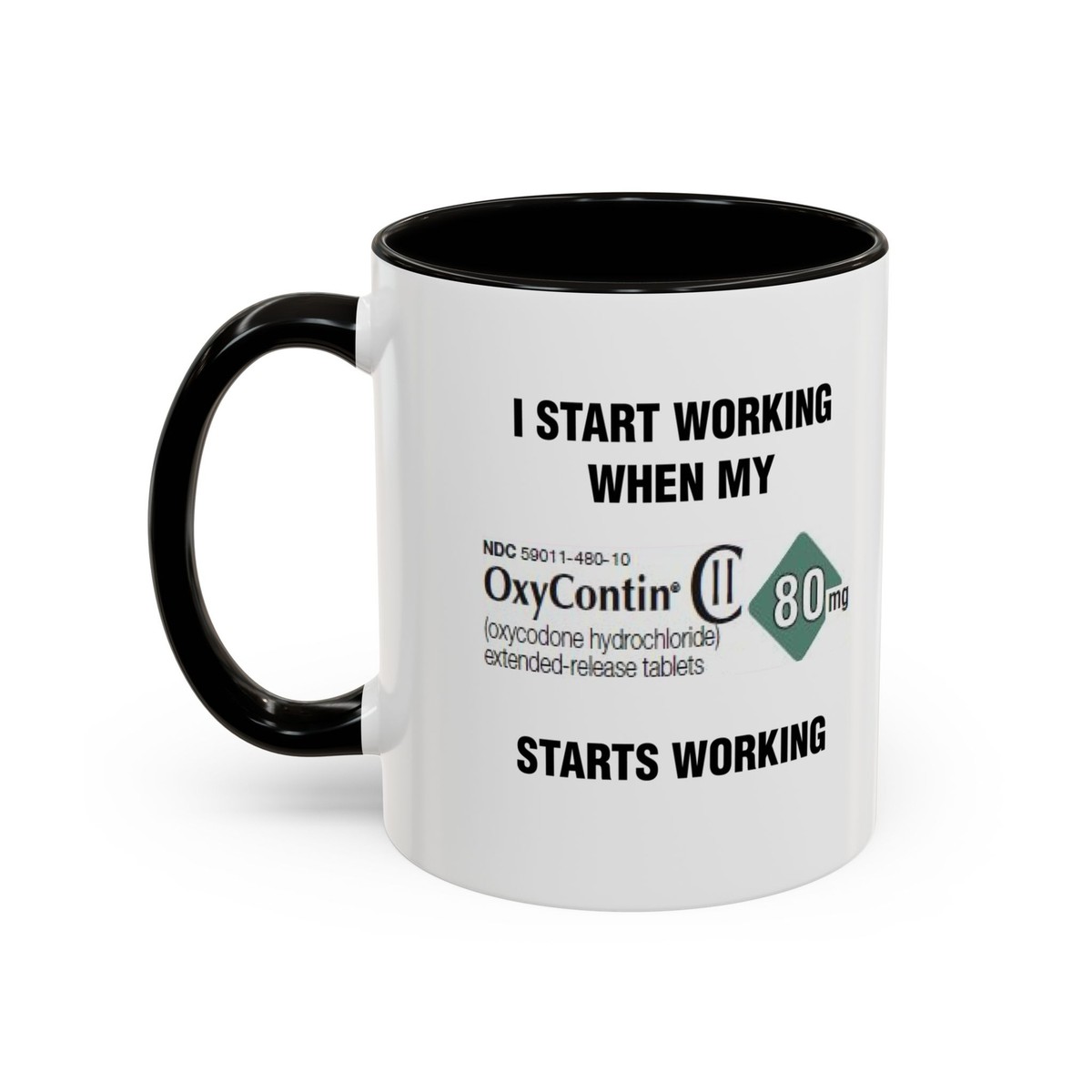
- Three days of OxyContin, the long-acting, extended-release formulation that holds for about 12 hours a dose, to keep a steady floor through that brutal 96-hour rebound window.
- Short-acting oxycodone starting on day 4, as needed, for the spikes; the exact same drug, just formulated to hit faster and clear in about 4 hours.
And then the plot twist I did not see coming: the doctor said that IF I must have it, Advil WILL BE ALLOWED FOR A BRIEF PERIOD!!!!! After breaking up with my Precious for what was supposed to be eight weeks, the little brown caplet gets a doctor-sanctioned cameo. So we’ve got the nerve block, we’ve got long-acting oxycontin, we’ve got short-acting oxycodone, and we’ve got… my precious. The stack is stacked.
While I was farming the internet for interesting things to tell you about all this, I turned up a few nerve facts worth keeping:
- You’re carrying about 45 miles of nerves. The average adult has roughly 45 miles (72 km) of nerve wiring running through the body. A nerve block temporarily “silences” only a tiny stretch of that whole network.
- Anesthetics don’t heal anything. Local anesthetics don’t make tissue mend faster; they simply stop nerves from generating and transmitting their electrical signals. Pure mute button, zero repair.
- They’re the reason I get to recover at home. Continuous nerve catheters took off in orthopedic surgery precisely because they let so many patients go home with pain control that used to require a hospital stay.
- The worst part isn’t waking up. A lot of patients say the most memorable moment of the whole ordeal isn’t coming out of surgery; it’s the instant the block wears off and sensation creeps back over the course of several hours.
That last one. “Sensation creeps back.” That’s the sentence I keep staring at. Last time, sensation didn’t gradually creep back so much as it kicked the door clean off the hinges. So I’m hoping for a small miracle, crossing every finger and toe I’ve got, and praying the ride is just a little less bumpy this round.
Here’s to being, for once, comfortably numb.
- Walked into the planning visit with the whole horror story locked and loaded, and actually got heard this time
- A layered, written-down pain plan before surgery instead of discovering the cliff edge mid-fall
- The Precious gets a doctor-sanctioned hall pass
OxyContin (long-acting, extended-release oxycodone): 3 days to hold a steady floor through the ~96-hour rebound window.
Short-acting oxycodone: starting day 4, as needed, for the spikes.
Advil / NSAIDs: a brief, doctor-sanctioned window allowed this time, instead of the full 8-week blackout.